Governments
Addressing Public Health Challenges with INFTA’s Forest Therapy
The life expectancy of an average Australian may have risen over time but so has the number of years on average Australians spend in ill health.
The burden of disease and its impact on the daily lives of individuals and on the Public health system is a significant challenge for governments to move the needle on.
Forest Therapy has emerged as an internationally successful evidence-based Public health practice adopted by governments in China, Germany, Japan, South Korea, and Sri Lanka in collaboration with INFTA.
Tackling rising costs of Public health
Chronic conditions are the biggest disease burden affecting Public health spending in Australia, with the most common reported in 2023 including:
- Cardiovascular disease (1 in 15 adults)
- Musculoskeletal conditions (1 in 4 Australians)
- Anxiety disorders (17.2% of the population)
Cancer and other neoplasms (an average of 450 newly diagnosed every day)
Dementia (15 per 1,000 Australians)
How Forest Therapy is addressing
chronic health conditions
Research continues to demonstrate the profoundly positive direct and indirect health benefits of Forest Therapy as an effective and affordable Public health practice with the body of evidence growing significantly around the world.
Physical & Physiological Effects
- Reduced blood pressure (systolic & diastolic)
- Lowered pulse rate
- Reduced cortisol levels (stress hormone)
- Surge in ‘natural killer’ blood cells (responsible for fighting cancers & tumours)
- Active exposure to phytoncides (natural compounds with antibacterial, antifungal, anti-inflammatory, antimicrobial, and antiviral properties) emitted by trees and plants
- Enhanced energy levels
Psychological Effects
- Reduced anxiety
- Reduced stress
- Increased happiness and positive mood
- Enhanced concentration
Forest Therapy in Mental Health
Global mental health is in critical condition, and Australia is not immune with 1 in 5 people aged 16-85, and 1 in 7 children and adolescents aged 4-17 years having experienced a mental disorder within the last 12 months.
The leading cause of death for 15–24-year-olds is suicide.
The lack of in-person social connections, community connections, and nature-connectedness, coupled with digital distraction and time spent indoors is isolating Australians and worsening mental health conditions across the country.
INFTA are advocating for Forest Therapy to be integrated in the public and private mental health sector as an effective and affordable therapeutic practice with evidence-based mental health benefits.
Forest Therapy in the NDIS
Forest Therapy as both an evidence-based preventative intervention and therapeutic practice offers significant health benefits to the 5.5 million Australians living with disability.
Adults with severe or profound disability (68%) are reportedly 12 times as likely to assess their health as fair or poor, and 1 in 2 of this cohort have self-reported anxiety disorders.
INFTA are openly advocating for Forest Therapy to be included as an approved NDIS-funded support and encourages NDIS providers to explore Forest Therapy as a therapeutic service for their clients.
Forest Therapy in Aged Care
Forest Therapy offers a wide range of benefits to Australia’s ageing population with research demonstrating improvements in both the physical and mental health of older participants.
Around 58% of people entering residential aged care in Australia are recorded with a mental health condition, and 86.6% of Australia’s older population report as having one or more long-term health conditions.
INFTA advocates for Forest Therapy within Australia’s Aged Care sector as a cost-effective and highly beneficial evidence-based public health practice.

INFTA’s Forest Therapy Boosting Educational Outcomes & Academic Research
INFTA’s Forest Therapy Boosting Educational Outcomes & Academic Research
Mental health issues experienced by Australian university students are at a staggering percentage, with these issues being linked to lower academic performance and higher rates of students dropping out.
40% of university students experience significant anxiety and 30% experience depression while studying.
Education Partnerships
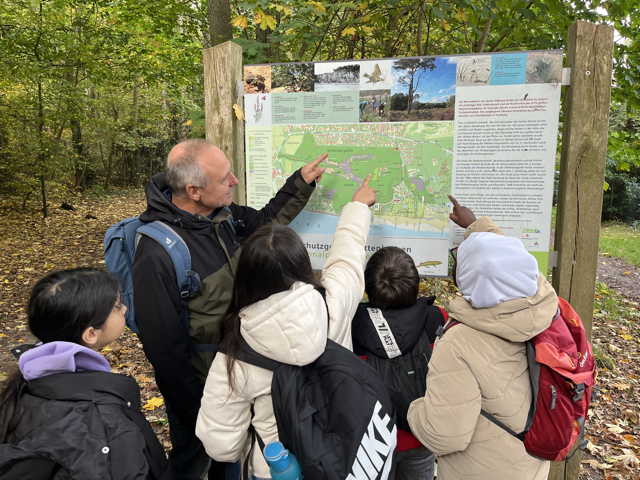
INFTA is working with educational institutions around the world and within Australia to combat these statistics by endorsing Forest Therapy sessions for students.
INFTA in collaboration with Deakin University opened the world’s first campus-based Forest Therapy trail in Waurn Ponds where staff and students can engage in Forest Therapy sessions directly on-site.
Forest Therapy on Campus promotes the benefits of:
- Improved nature-connectedness
- Strengthened self-awareness for health and self-care
- Stress reduction
- Anxiety reduction
- Better cognitive performance
- Reinvigorated focus
Research
INFTA establishes research links with renowned universities, faculties, and institutes interested in collaborating on research projects, and actively disseminates research findings to national and international communities.
Grants
INFTA welcomes collaboration opportunities for research grants on the effects of Forest Therapy as a public health practice and other related research projects.
Student Placement
INFTA actively works with educational institutions in the placement of students on research projects and other academic endeavours.
INFTA’s Forest Therapy Filling the Demand for Eco-Tourism
The demand is soaring for eco-friendly tourism experiences and environmentally sound government practices at a local, state, and federal level.
Since 2014, the demand for nature-based activities among Australians grew by a substantial 47%, with some activities such as visiting botanic or public gardens growing by 85%.
INFTA has been working closely with a number of organisations at the grassroots, local, and state levels to bring Forest Therapy to urban areas and forested trails around the country.
Urban Forest Trails
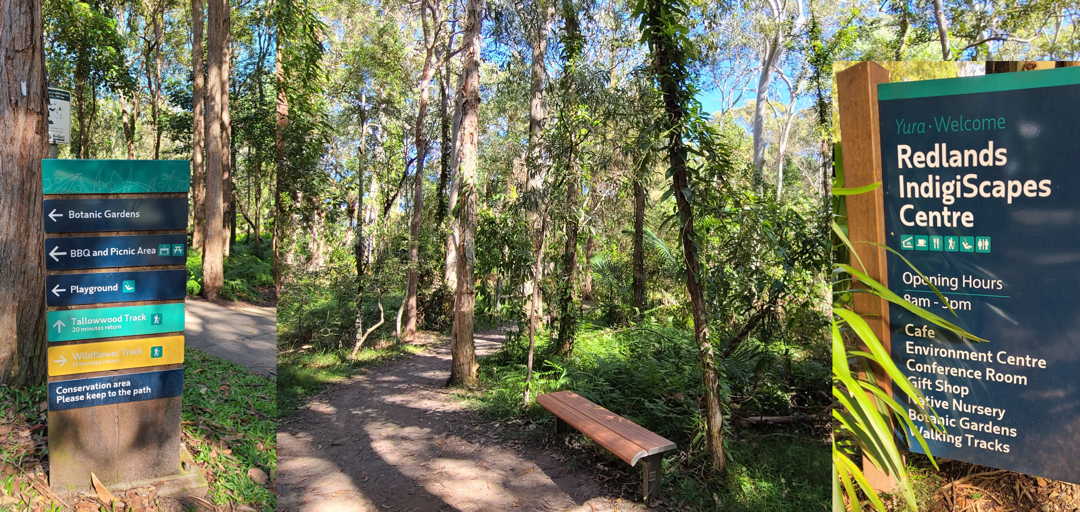
Forest Therapy can be held in urban green spaces and local forest trails making it an accessible and convenient practice for city and suburban populations.
INFTA has partnered with Royal Botanic Gardens Victoria, Royal Botanic Gardens Sydney, and Geelong Botanic Gardens to offer a range of popular Forest Therapy events, and these local partnerships are growing across the country.
Trail Certification
INFTA-Certified and Accredited Forest Therapy trails meet a specific list of criteria that ensures adequate quality, suitability, and risk management to conduct Forest Therapy sessions.
Trails that are INFTA-Certified and Accredited are officially listed as part of the national and international INFTA network searchable from our website.
Corporate clients are provided with digital certificates and logos to certify and advertise trails as INFTA-Certified and Accredited for Forest Therapy.

Cultural & Historical Tourism
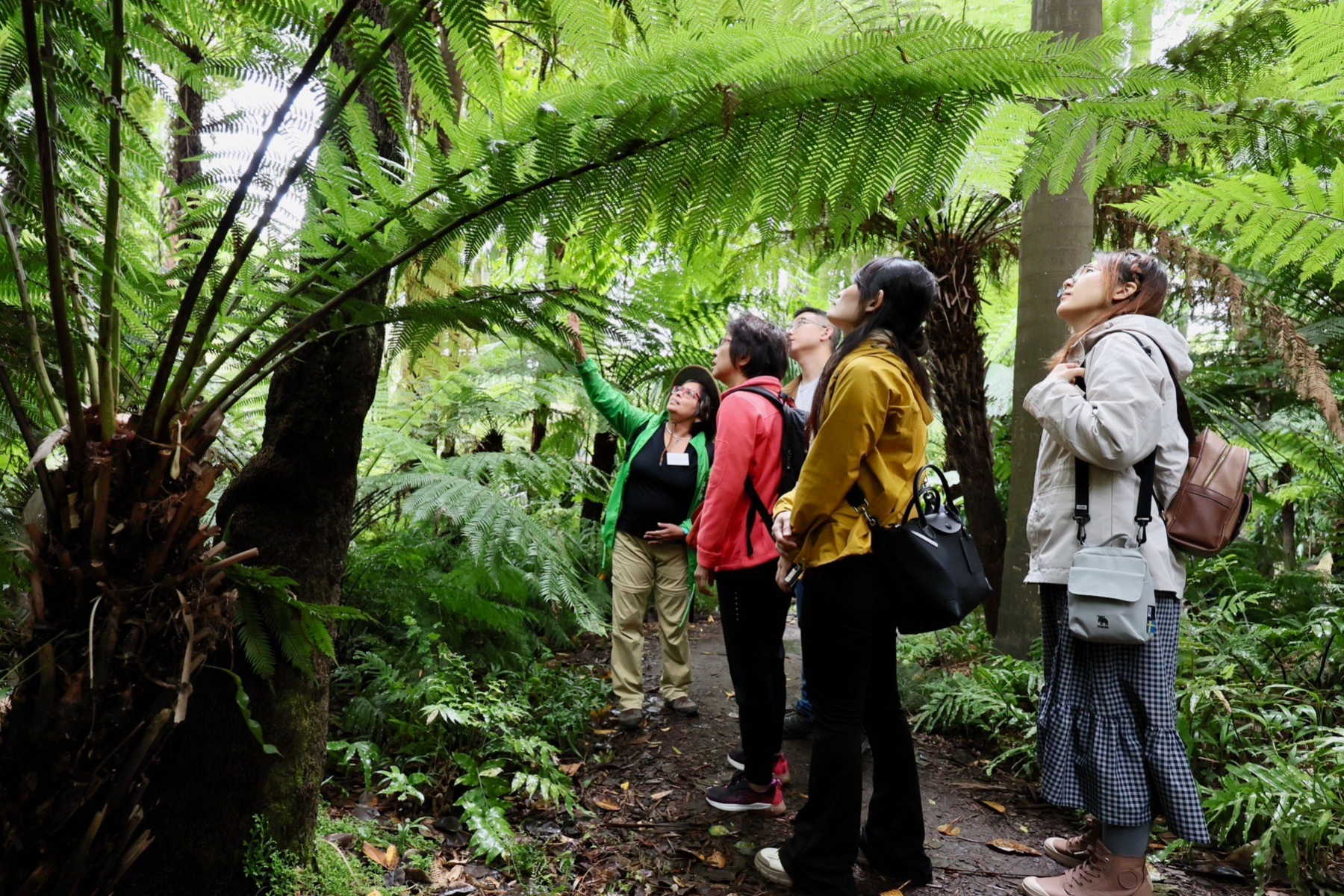
Australia’s rich Aboriginal cultural heritage and history form as an integral part of how Forest Therapy is conducted on country.
INFTA-Certified Forest Therapy Guides incorporate knowledge and information on each trail’s respective Traditional Owners and practices into each session, and welcome collaborations with local First Peoples to further enrich experiences.
Site Revitalisation
The growing demand for more Forest Therapy locations is driving the need for revitalisation of nature trails across the country.
INFTA’s advisory board and management engage in professional dialogue with relevant government stakeholders and provide expert consultation on forest revitalisation projects.
Forest Therapy Centres
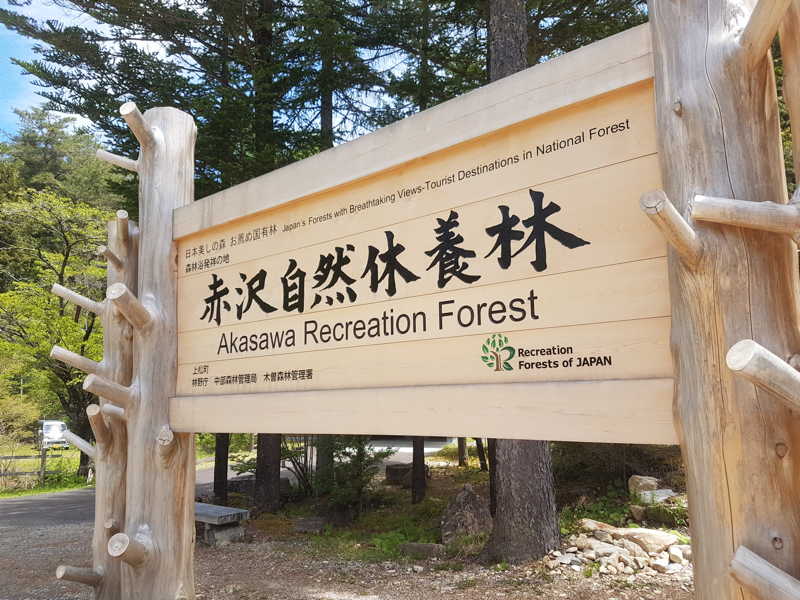
INFTA engages with governments worldwide through expressions of interest in the research, design, and building of Forest Therapy Centres and other affiliated projects at various stages.
Next Steps
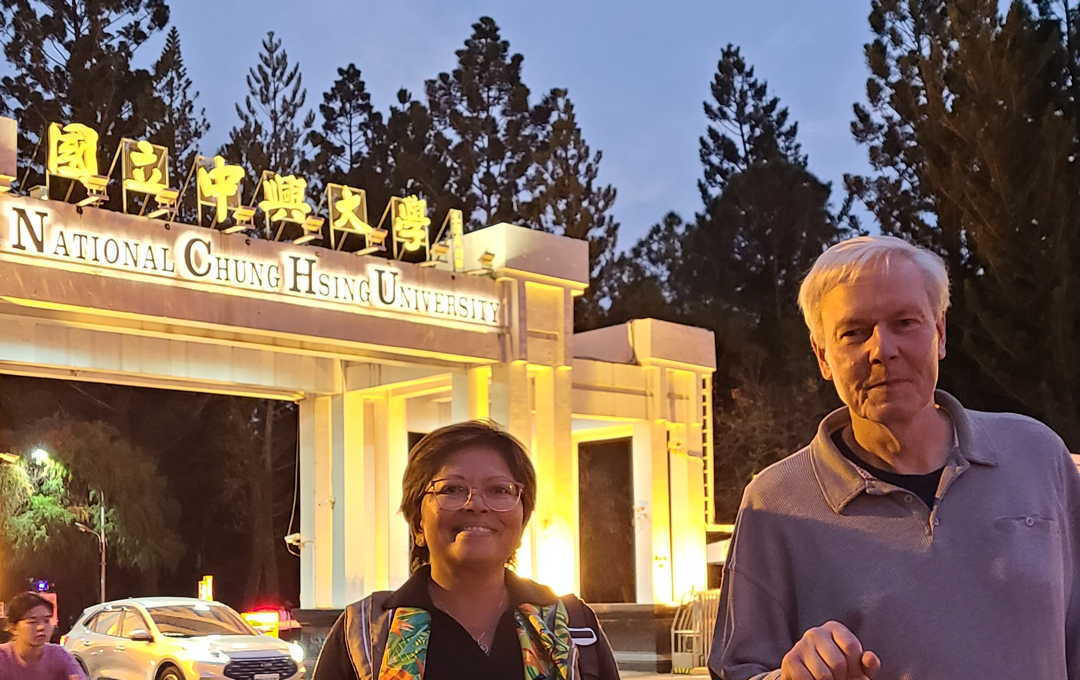
Contact INFTA’s directors to schedule an information session where we’ll discuss:
- How Forest Therapy can be integrated as a public health practice
- Evidence-based benefits to public health, eco-tourism, and education
- Research and analysis opportunities in relevant public sectors
- How INFTA can assist you with government health initiatives