What is Forest Therapy?
A Guided Forest Immersion
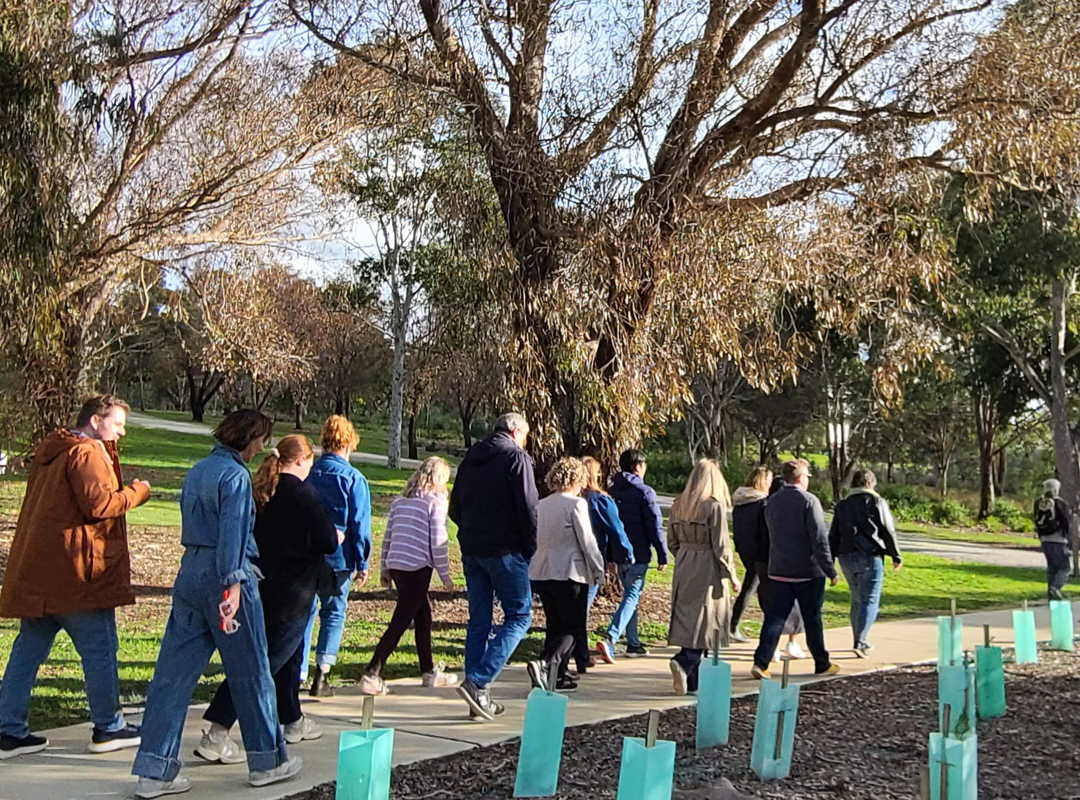
Forest Therapy is a guided and immersive slow forest walk designed to focus on your senses, allowing you to fully experience the natural environment and its physical and mental healing properties.
A globally recognised public health practice
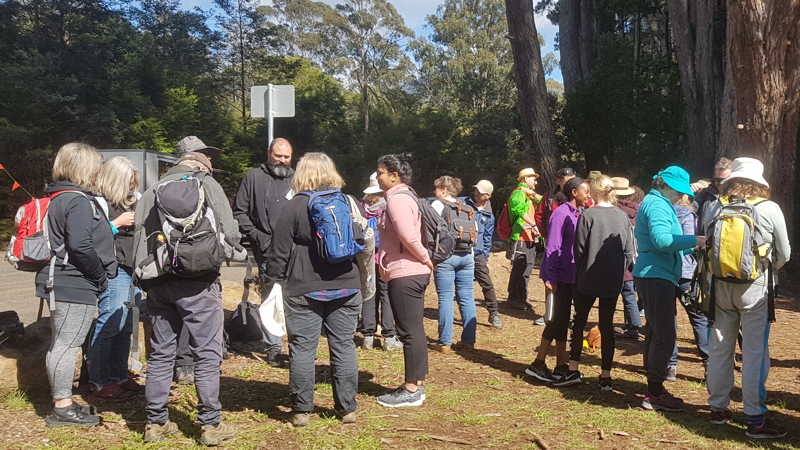
Forest Therapy is globally recognised and accepted as an evidence-based public health practice endorsed by governments, companies, and health professionals.
A preventative medicine
Stress is the health epidemic of the 21st century and is responsible for many preventable non-communicable diseases (NCDs). NCDs are collectively responsible for 74% of all deaths worldwide, with major risk factors including physical inactivity, unhealthy diets, and air pollution.
Forest Therapy is widely recognised as an effective, natural, and affordable preventative practice for a wide range of NCDs utilising, for example, the effects of phytoncides (specialised bioactive compounds) produced by trees and many plants.
A therapeutic practice filling the demand
The global demand for mental health workers and practitioners has never been higher, and there is on average less than one mental health worker per 10,000 people.[ https://www.who.int/news/item/14-07-2015-global-health-workforce-finances-remain-low-for-mental-health ] The situation is critical, and Forest Therapy is crucial to meeting the demand.
Forest Therapy is an accessible and structured therapeutic practice combining breathing exercises, light physical exercises, sensory activation, and purposeful movement in an environment which naturally promotes mental health benefits. It is a powerful therapy in its own right, as well as an excellent addition to other therapeutic modalities.
An accessible health practice
Forest Therapy is an accessible health practice that can be scaled to individual abilities and locations. Forest Therapy can also extend to the digital environment with research indicating online sessions conducted for patients in hospitals and healthcare facilities still show significant mental and physical health benefits.
Forest Therapy Health Benefits
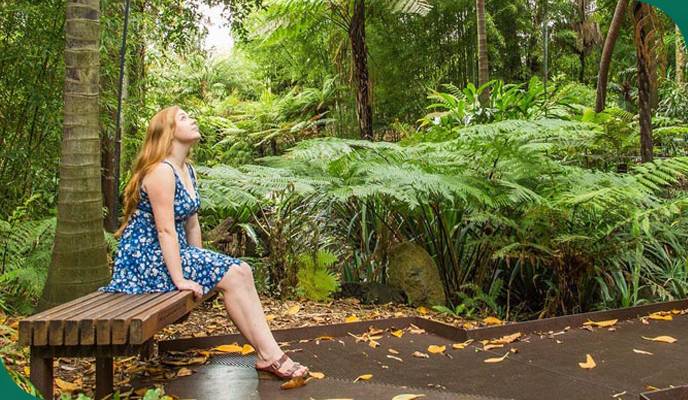
In a world in which we are time-poor, stressed, and surrounded by digital distractions, concrete jungles, and walls around our environment, we lose our innate biological connection to nature.
Forest Therapy is reforging the connection between human beings and nature, and bringing attention to the vital role this relationship plays in our health & wellbeing.
The role of Phytoncides in Forest Therapy
Phytoncides are crucial to the health benefits inherent in Forest Therapy. Phytoncides are a set of compounds which trees and plants emit to protect themselves against invading organisms. Among others, phytoncides contain antibacterial, antifungal, anti-inflammatory, antimicrobial, and antiviral properties.
When we inhale phytoncides, we get a surge in ‘natural killer’ cells which are vital for fighting off certain types of cancers and tumours.
Research-backed benefits
Over 30 years of international research has demonstrated and validated the extensive list of both direct and indirect health effects of Forest Therapy.
Direct Effects
Physical & Physiological Effects
- Reduced blood pressure (systolic & diastolic)
- Lowered pulse rate
- Reduced cortisol levels (stress hormone)
- Surge in ‘natural killer’ cells (responsible for fighting cancers & tumours)
- Active exposure to phytoncides (natural compounds with antibacterial, antifungal, anti-inflammatory, antimicrobial, and antiviral properties) emitted by trees and plants
- Enhanced energy levels and concentration
Psychological Effects
- Reduced anxiety
- Reduced stress
- Increased happiness and positive mood
- Enhanced concentration
Indirect Effects
Physical & Physiological Effects
- Increased overall fitness levels
- Improved immune system
- Weight loss
- Reduced risk of obesit
- Reduced risk of heart & lung diseases
- Improved & more regular sleep
Psychological Effects
- Decrease in stress and anxiety
- Reduced risk of depression
- Improved stress responses in day-to-day situations
- Improved mood stability
- Increased motivation
- Enhanced ability to focus
- Higher self-confidence

What are the origins of Forest Therapy?
In the 1980s, Japan recognised the physiological and psychological impact of stress and depression and sought out a new, affordable and effective way to alleviate it.
This was the origin of “Shinrin-yoku”, roughly translated as ‘taking in the forest atmosphere’, ‘forest immersion’ or ‘forest bathing’. During the last four decades, this trend led to the development of the public health practice of Forest Therapy. The term was coined by Prof. Dr. Yoshifumi Miyazaki, Grand Fellow, Chiba University in Japan and a member of the INFTA Advisory Board.
What does a typical
Forest Therapy session involve?
- 2-3 hours of slow and purposeful walking in a forested area
- Tuning and engagement of our senses without the distraction of mobile devices
- Deep breathing in fresh air rich in oxygen and phytoncides, and away from pollutants and malicious microbes
- Guided reconnection with nature outdoors and its healing abilities
- Social connection with a group of likeminded individuals, or one-on-one sessions
- Structured sensory and creative activities led by a qualified Forest Therapy Guide
- Light physical movements scaled to each participant’s ability
- A ‘communitea’ ceremony with tea made from local plants at the end of a session
Join one of the fastest growing and innovative professions in the world as an INFTA-Certified and Accredited Forest Therapy Guide.